
Insurance promises protection, but positive customer contact is often rare between consultation and a possible claim. A useful protective product keeps the brand present in everyday life.
The product should match the insured context and make protection tangible rather than acting as a generic logo carrier.
The product should match the insured context and make protection tangible rather than acting as a generic logo carrier.
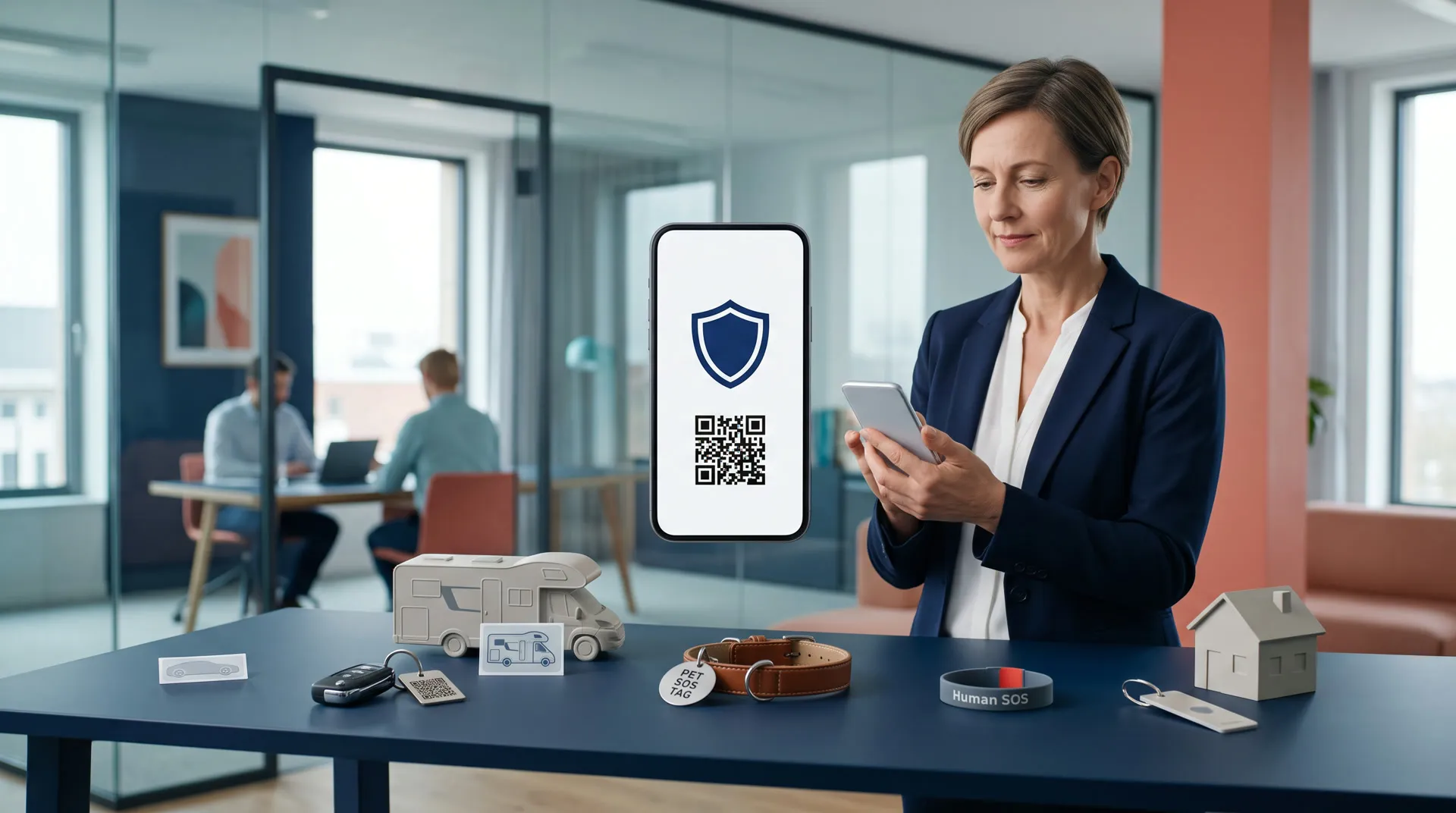
Suitable BrandTags products
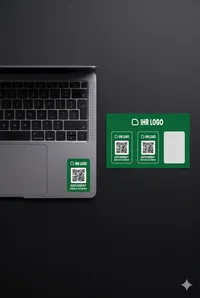
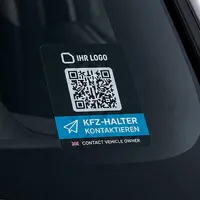
Vehicle sticker
For motor insurance: contact after parking damage, towing risk or an open window.
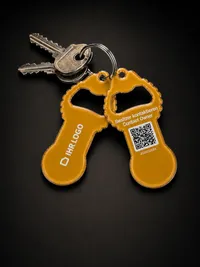
Shopping cart token
For customer retention and prevention campaigns with daily utility.
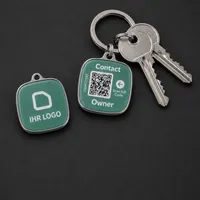
Luggage tag
For travel and baggage insurance with anonymous loss contact.
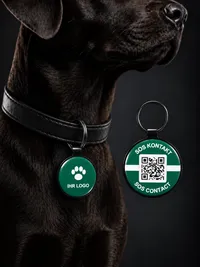
SOS pet tag
For pet insurance with emergency profile and owner contact.
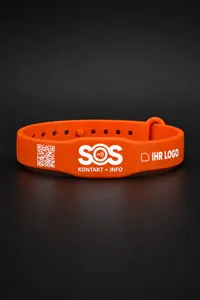
SOS wristband
For travel and health insurance with selected emergency information.
Pre-registration page and activation options
A branded pre-registration page explains the benefit before activation. Insurers can add voluntary modules for contact consent, appointments, assistance, claims or other first-party services.
Lead opt-in
Newsletter signup
Appointment booking
Service or claims link
Discount or customer benefit
Short survey
Review request
Custom campaign link
How the campaign becomes measurable
Measure distribution, activation, interaction and clicks into claims, assistance or service processes. Compare product, insurance line, design and distribution channel.
Frequently asked questions
Which promotional items suit insurers?
Products with a clear link to protection or assistance work best: vehicle stickers, shopping cart tokens, luggage tags, SOS pet tags and SOS wristbands.
Can the product link to claims or assistance?
Yes. A clearly labelled campaign link can lead directly to the insurer’s mobile first-party process.
Which activation options are available?
Options include lead consent, newsletter signup, appointments, assistance, claims links, surveys, reviews and custom campaign destinations.
Conclusion
When the promotional item itself protects, it becomes part of the insurer’s promise and a functional first-party touchpoint.